Where revenue leaks at the front desk — and how to seal it
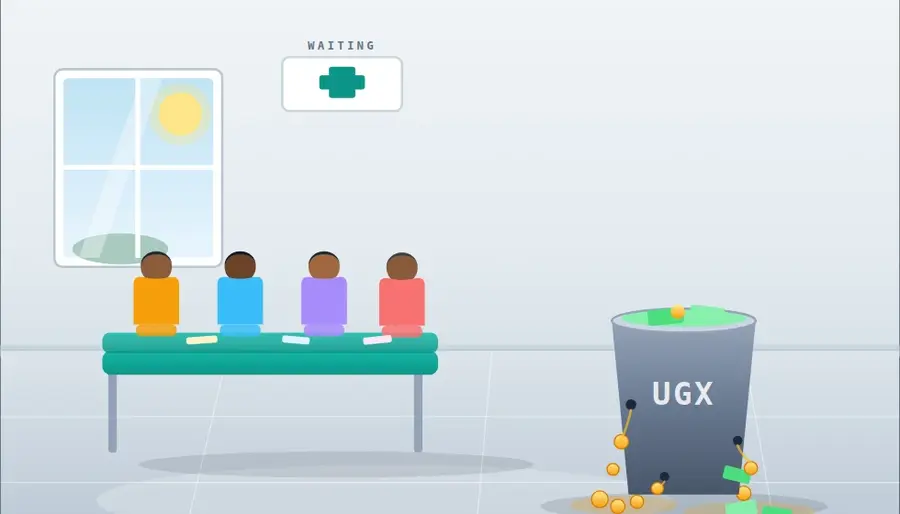
Revenue rarely disappears in dramatic theft. It drips — a dressing not billed here, a lab test recorded but never invoiced there — until the month-end figure is thousands short of the work actually done. And here is the uncomfortable part: nobody needed to steal for it to happen.
Most practices lose five to ten percent of revenue this way. Not to thieves — to gaps. Four places the money escapes, almost every day, in almost every clinic. Find yours before you read on.
Leak oneservices that were never entered
A dressing changed. An injection given. A “quick” blood pressure check. Small services rendered and never typed into anything — because the queue was long, because it felt too small to bill, because the paper was full.
Every un-entered service is a patient who received care and a clinic that received nothing. And the small procedures are the biggest leak precisely because nobody respects them — a two-thousand-shilling dressing skipped twice a day is 1.4 million a year walking past the till.
Leak twoverbal prices
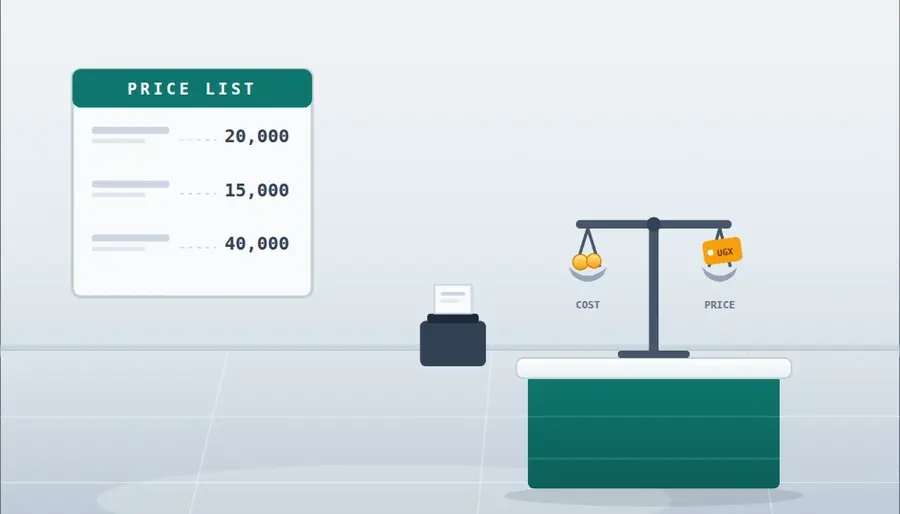
Staff quoting from memory instead of a fixed price list. “Consultation? Ehh — thirty.” But it is forty on the list. The patient happily pays thirty. And you have just trained your front desk that prices are negotiable — and your patients that tomorrow’s price might be friendlier than today’s.
A price that lives in memory is a price that changes with mood — with how busy the desk is, with how the patient is dressed, with whether the owner is around. Publish the price list. Print it. Point at it. The list quotes; the staff only confirms.
Leak threeundocumented discounts
The waived fee for a cousin. The “just this once” for a regular. The quiet half-price for a friend of the nurse. Every undocumented discount rewrites your price list invisibly — and by month-end, half your revenue erosion is a stack of kind gestures nobody counted.
Leak fourcash without a receipt
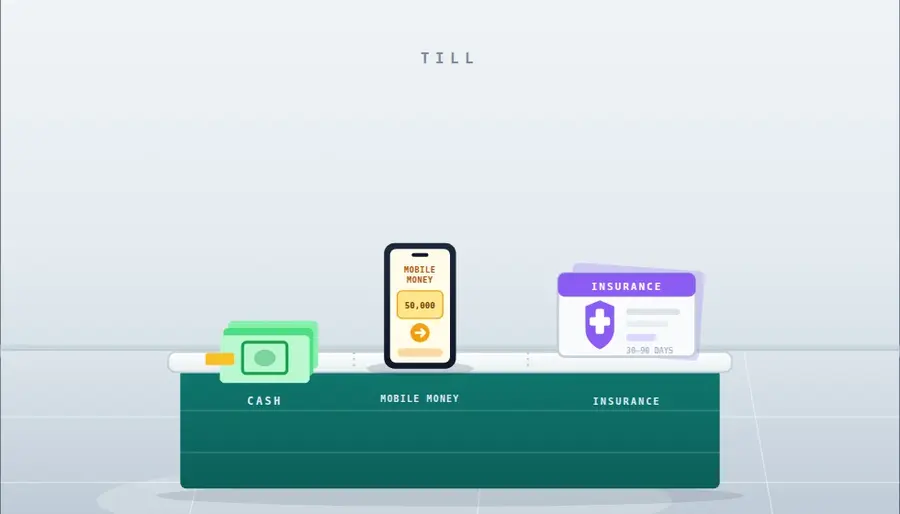
Money that reaches the drawer without a receipt is money no report will ever see. It is not theft yet — it is an opportunity waiting for a bad day. A patient holding a numbered receipt is your free audit: anything that did not get receipted did not get recorded.
Add up one week honestly: the unbilled dressings, the verbal prices, the “just this once” discounts, the un-receipted cash. Most owners who do this exercise stop at day two. The number frightens them.
Seal it with sequence, not suspicion
The strongest fix is making billing the unavoidable next step after service. If a lab test only exists in the system once it is billed, an unbilled test is instantly visible. If dispensing is driven by the invoice, stock and money always move together — and a discrepancy between them is an alarm, not a mystery.
The ten-minute ritual
End-of-day: billed total, collected total, and who held the float. Ten minutes. Discrepancies are small when they are one day old; they are archaeology when they are a month old.
You should not have to trust everyone to get honest numbers. Build a process where the honest outcome is the default, and trust becomes a bonus instead of a dependency.
Design out the cracks
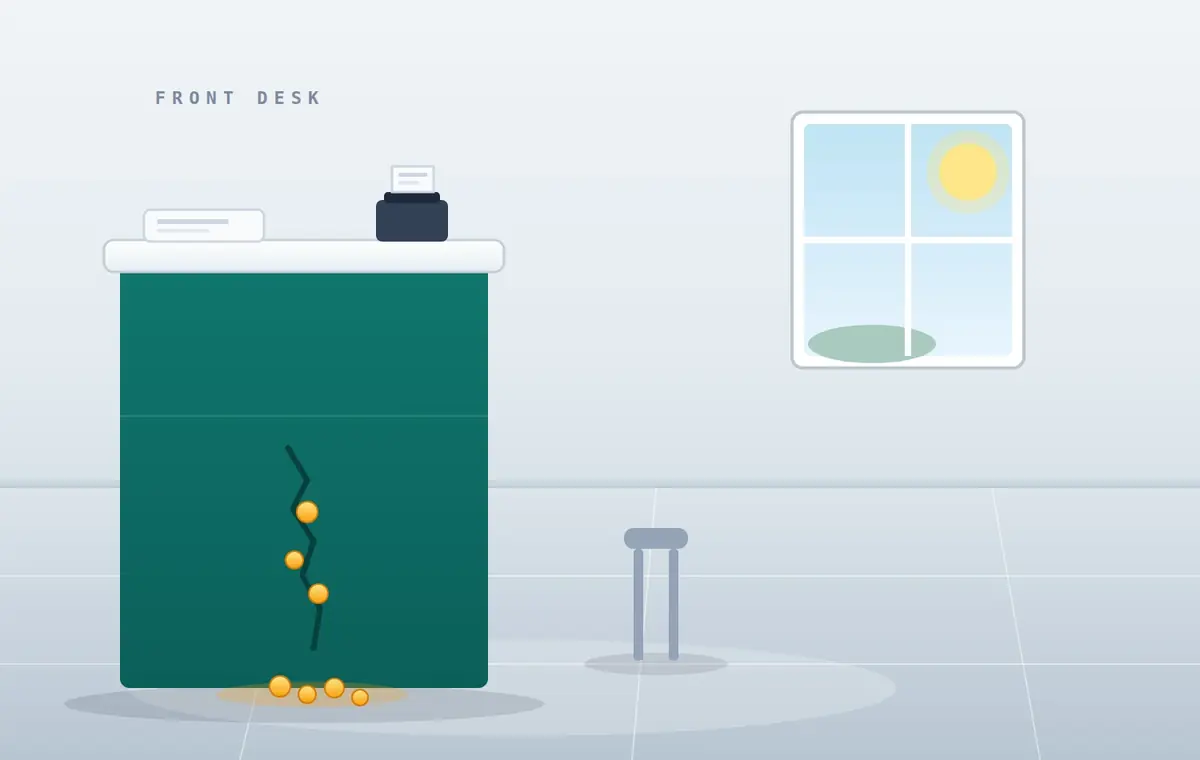
None of this requires watching people harder. It requires designing the day so that revenue cannot slip through the cracks — because there are no cracks. Service, then billing, then dispensing, then receipt — in that order, every time, for every patient. The honest outcome should be the default, not the exception.
A leak you cannot see is still a leak. Seal the sequence, count the day, and the five to ten percent you were losing quietly becomes the raise, the equipment, and the reserve you thought you could not afford.
About the author

Joel Muwera
Founder, Ospito+ HMS
CEO, Nasa Healthcare & Surgery