Patients not coming back? Fix follow-up before marketing
When visits slow down, the instinct is to advertise. But acquiring a new patient costs far more than recalling an existing one — and the average small practice lets most of its follow-up opportunities expire silently in a register book. You are paying to attract strangers while the people who already trust you walk away uninvited.
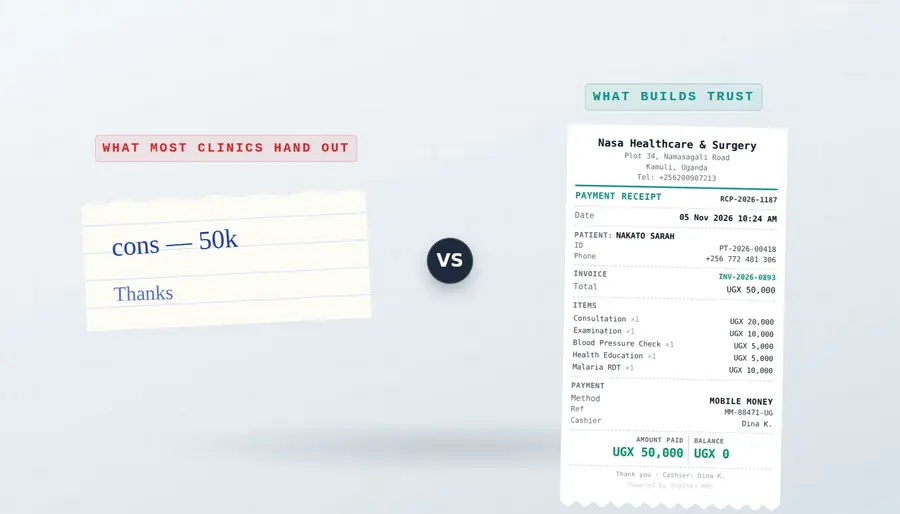
The register book is a graveyard of “come back in two weeks.” Every line in it was an appointment that could have been made and was not — because nobody owned the reminder.
Step onefollow-up is a list, not a memory
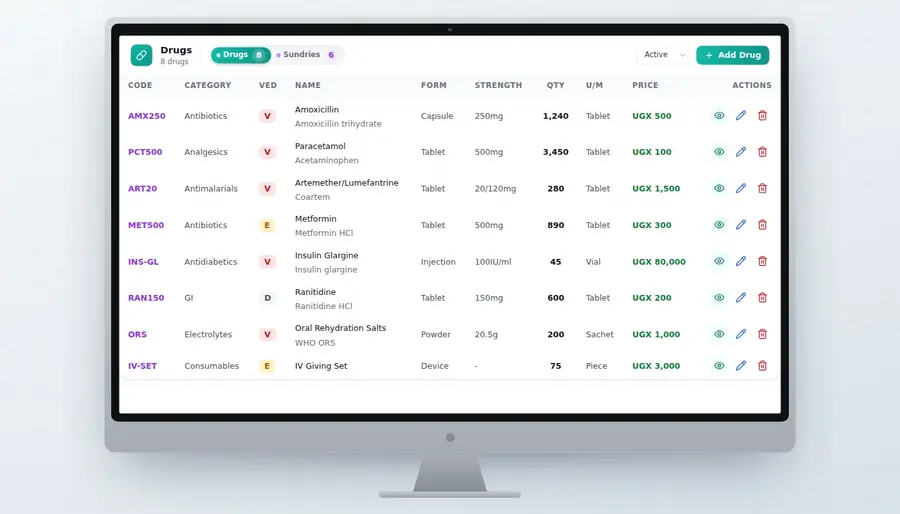
Every chronic-care patient, every “come back in two weeks,” every incomplete treatment plan is a named appointment waiting to be made. If that list lives in a clinician’s head, it does not exist. Keep it where it can be worked: who is due, when, for what, and how to reach them.
Step twoa reminder is not marketing — it is care
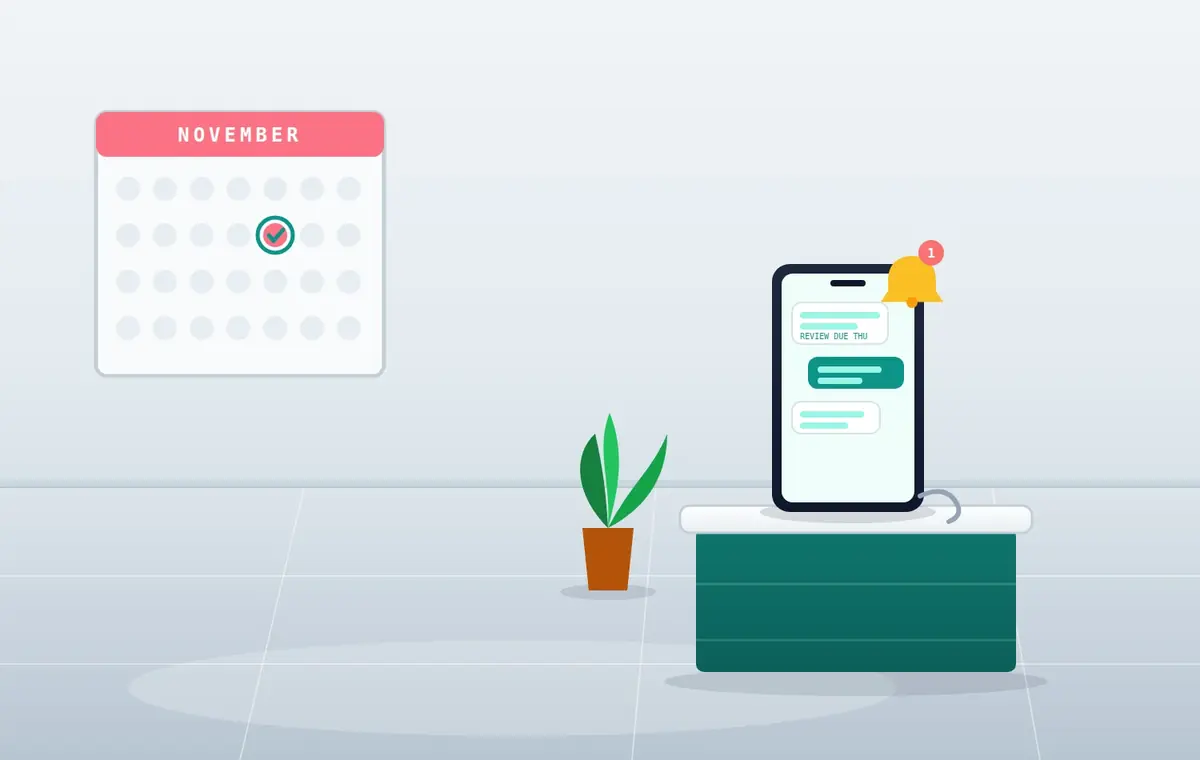
- SMS or call 48 hours before a due visit — short, specific, from a known name
- Same-day nudge for results that are ready and uncollected
- A check-in after procedures: “how are you feeling” brings people back better than any advert
The patient reads it as “the clinic remembered me.” You read it as retention. Both are true — and unlike an advert, it costs almost nothing and lands on someone who already chose you once.
How many patients last month were told to come back — and how many did anyone actually remind? If the answer is none, your marketing budget is replacing patients you already had.
Step threetrack the return, not just the send
Measure the outcome: of the patients recalled this month, how many booked and came? That conversion number tells you whether the script, the timing, or the list itself needs work. What gets measured gets repeated.
A reminder system you do not measure is a superstition. Forty texts sent, three returns — the script is wrong or the timing is. Forty texts, twenty returns — keep going; that channel costs you airtime and prints money.
The flywheel nobody builds
A returning patient brings their child next time. Their mother the time after. Follow-up is not one visit recovered — it is a household acquired. And unlike advertising, the effect compounds: every month the list gets better, the conversion gets easier, and the diary fills with people who already wanted to come.
A patient who has already trusted you once is five to ten times cheaper to bring back than a stranger is to convince. Growth starts with the register you already have.
Most practices that run disciplined follow-up discover their diary fills with people who already wanted to come — they just needed to be asked. Advertise later, if you still need to. Ask first.
About the author

Joel Muwera
Founder, Ospito+ HMS
CEO, Nasa Healthcare & Surgery